
Vinyl Siding Repair in Fort Worth, TX: Cracked, Warped and Loose Panels
Vinyl siding repair in Fort Worth, TX usually means replacing a single cracked or warped panel without taking the wall apart. This site connects homeowners with local contractors who do that work. Call 817-533-6788 to be connected with a local provider.
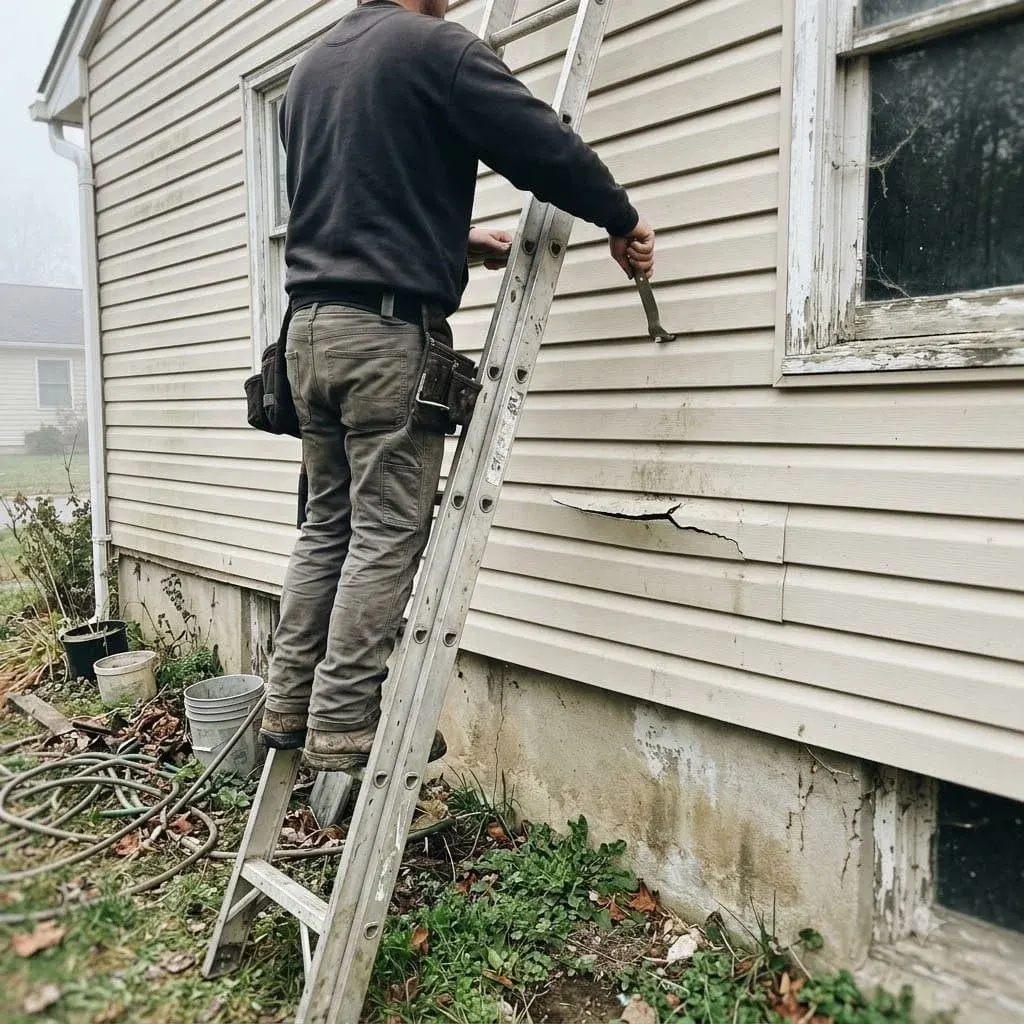
What Vinyl Siding Repair Covers
Vinyl siding fails in a handful of ways, and each one has its own repair:
- Cracked or split panels from impact, hail, or a mower or ball strike
- Holes in a panel
- Loose panels that have come unlocked or lost their fasteners
- Warped or buckled panels that no longer lie flat
- Damaged corners, trim and J-channel where the panel ends meet the wall
- Gaps at windows and doors where water can get behind the siding
A contractor inspects the whole wall, marks every damaged panel, and fixes what is wrong without touching panels that are sound.
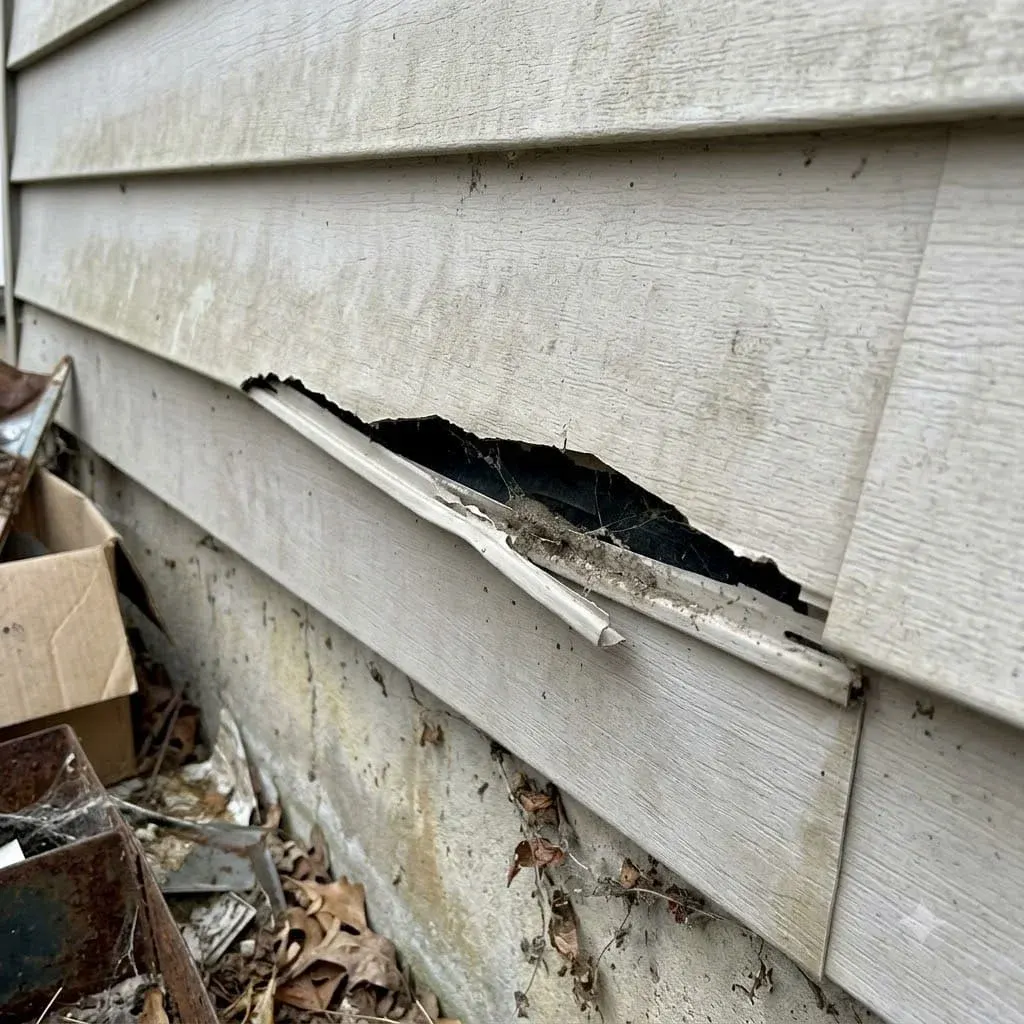
How a Vinyl Siding Panel Is Replaced
Vinyl panels lock into the panel above them, so a repair starts by unlocking the course above. These steps follow the installation guidance of the Polymeric Exterior Products Association. First, a zip tool slips behind the bottom lock of the panel above the damaged one and unlocks it. Second, the fasteners come out and the damaged panel is removed. Third, the sheathing, weather barrier and flashing behind it get checked, and anything wet or damaged is repaired. Fourth, the new panel is fitted and locked in, with each fastener driven in the center of the nailing slot with about 1/32 inch of clearance under the head, so the panel can move. Finally, the zip tool locks the upper panel back over the new one.
That sequence replaces one panel and leaves the rest of the wall in place.
Why Vinyl Siding Fails in Fort Worth
Vinyl moves with temperature. The Polymeric Exterior Products Association says vinyl siding can move 1/2 inch or more over a 12-foot-6-inch length, and that installed panels should move freely side to side. Fort Worth weather works that movement hard. The Dallas/Fort Worth weather station records an average July high of 95.6°F, about 20 days a year at or above 100°F, and about 29 days a year when the low drops to 32°F or below.
A panel fastened too tight cannot move, and a panel with no clearance at trim and openings has nowhere to go. A contractor finds the tight fasteners and the missing clearance when replacing a panel, and corrects them on the panels being worked on. For the full picture, read vinyl siding and Texas heat.
Patch the Panel or Replace It
A small crack or hole in a panel that is otherwise flat and sound can be filled or patched. A panel that is split along its length, warped, brittle, or cracked in more than one place gets replaced, because a patch on a panel in that condition fails again. Corner pieces and trim follow the same rule. How to fix cracked vinyl siding and how to repair a vinyl siding corner walk through each case.
When damage spreads across a wall, ask for full replacement to be scoped alongside the repair so both options are visible. See siding replacement.
Matching Your Existing Vinyl
New panels go next to siding that has been in the sun for years. Contractors match the profile, the color family and the sheen as closely as the product allows. Older vinyl that has faded can sit a shade apart from a new panel, and a discontinued profile can have no exact match. When that is the case, a good contractor says so before starting, and the choices are a repair on the least visible wall or a full wall replacement so it looks uniform. Matching siding color on an older Fort Worth home covers the options.
Frequently Asked Questions
Can cracked vinyl siding be repaired without replacing the panel?
Small cracks and holes in a panel that is otherwise flat and sound can be filled or patched. A panel that is split along its length, warped, brittle or cracked in several places needs replacement, because a patch on that panel fails again. A contractor inspects the panel and says which repair it needs before starting.
Can one vinyl panel be replaced without removing the whole wall?
Yes. Vinyl panels lock into the panel above, so a contractor unlocks the course above with a zip tool, removes the damaged panel, fits a new one and locks the upper panel back over it. The wall stays in place. Panels at corners and under windows take more work, and a good contractor explains what that involves before the job starts.
Why is my vinyl siding warping or buckling?
Vinyl expands and contracts with temperature, and panels that cannot move buckle. The Polymeric Exterior Products Association says vinyl siding can move 1/2 inch or more over a 12-foot-6-inch length and that fasteners belong in the center of the nailing slot with room to move. Fasteners driven tight and trim with no clearance keep a panel from moving, and the panel buckles. A contractor resets the fasteners and the clearance on the panels being repaired.
Do I need a permit to replace vinyl siding in Fort Worth?
The City of Fort Worth Development Services guidance for residential building permits states that replacement of missing or decayed siding requires a building permit. Minor repairs are not addressed in that guidance, and homes in other cities fall under their own rules. A local contractor can confirm what applies to the address before work starts.
How do I check a siding contractor is licensed and insured?
Ask for the license and the certificate of insurance in writing before work begins, and confirm the coverage matches the work being performed. Verifying that is the homeowner's responsibility, because contractors found through this site are independent businesses.
Call Now
For vinyl siding repair in Fort Worth, call 817-533-6788 to be connected with a local provider who can inspect the wall, mark the damage and write up the scope. See the main page on siding repair in Fort Worth for how the work goes.